
The full lighting setup only appears on camera
The crew builds, turns on the camera, looks and adjusts. They change the height, remove half a stop, add diffusion and flag a reflection that only appeared on the monitor.
That is why a setup estimated at thirty minutes can occupy the first two hours of the day. The camera often arrives near the end of the setup, and it is precisely what reveals what is still missing.
Scenography follows a similar rhythm. More props, furniture and art adjustments increase the chance that the first shot slips before anyone calls action.
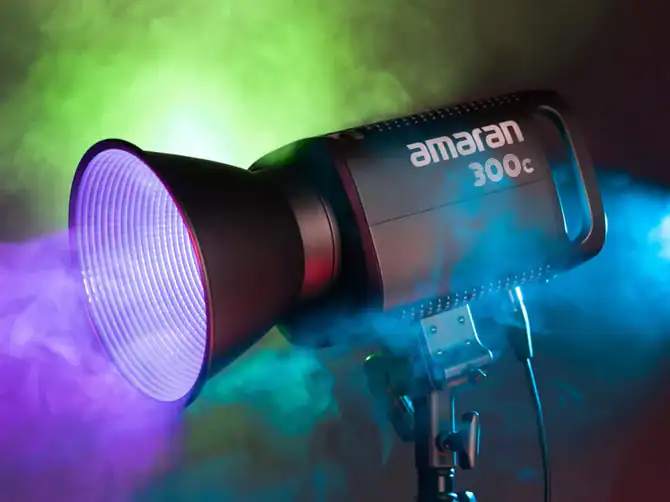
Waiting time runs on everyone's clock
Two or three people work on the setup. Cast, direction, sound, art, clients and talent may already be inside their booked day while that happens.
This is where the pre-light calculation begins. Half a day in the location with the lighting crew can cost less than two waiting hours for a full set.
The decision belongs in the budget and production plan because loading, setup and strike also occupy the booked location period.
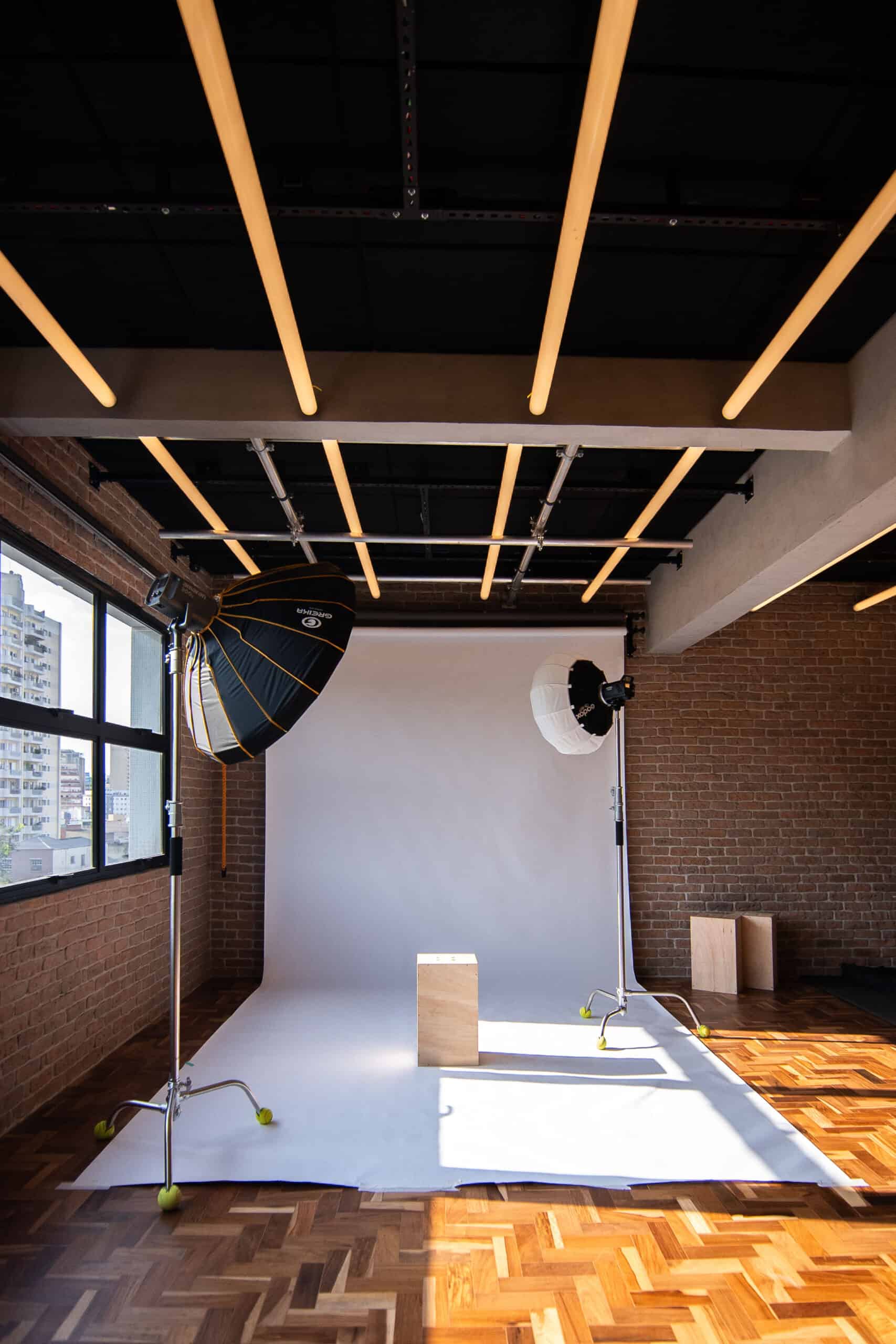
Some shoots fit comfortably into one day
A simple set, a few lights, a small crew and a relaxed schedule may not need the extra day. Adding it by habit only adds cost.
One concrete question settles the choice: how many people will wait while the set becomes ready? Putting names and hours into the answer usually makes the decision clear.
A pre-light is a production tool. It works best when it protects the time of the people who need to be there for the shoot.